Facing Incarceration: Tips for Surviving the System

Facing incarceration is a life-changing event that brings many challenges. Whether you are preparing for your first time in jail or prison, or supporting someone who is, understanding how to navigate the system can make a significant difference. This guide offers practical advice to help you survive and maintain your well-being during this difficult period.
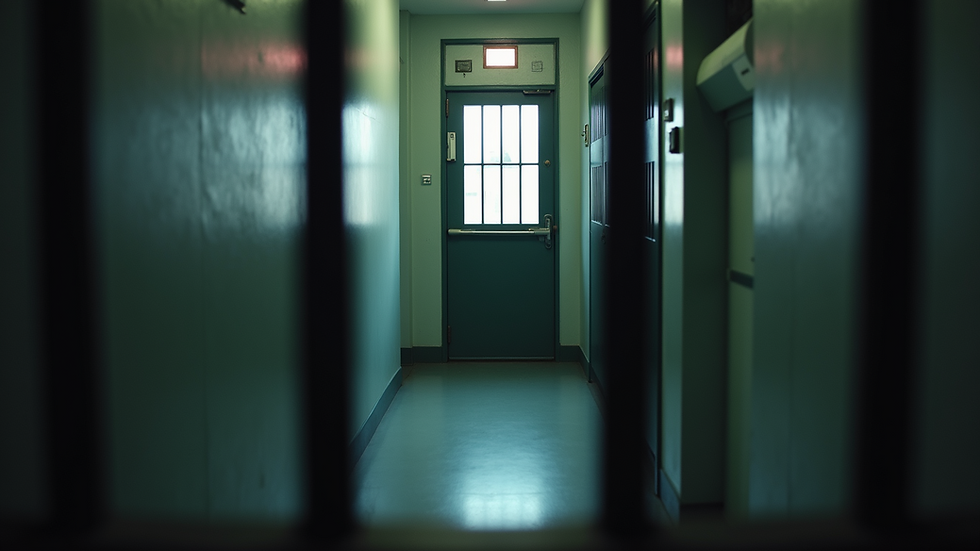
Understanding the Environment
The first step to surviving incarceration is understanding the environment you will be in. Jails and prisons have different rules, routines, and cultures. Knowing what to expect helps reduce fear and uncertainty.
Jails usually hold people awaiting trial or serving short sentences. They tend to have more turnover and less programming.
Prisons house people serving longer sentences. They often have more structured daily schedules and opportunities for work or education.
Each facility has its own rules about visitation, mail, phone calls, and personal property. Learn these rules early to avoid unnecessary trouble.
Prioritize Safety
Safety is a top concern inside correctional facilities. Violence and intimidation can be common, so protecting yourself is essential.
Stay aware of your surroundings at all times. Avoid isolated areas and groups that seem hostile.
Keep a low profile. Avoid conflicts and do not get involved in disputes or gangs.
Build respectful relationships with staff and other inmates. Being polite and cooperative can help you avoid problems.
Trust your instincts. If a situation feels dangerous, try to remove yourself calmly.
Remember, your goal is to serve your time without harm. Avoiding trouble is the best way to stay safe.
Maintain Your Mental Health
Incarceration can cause stress, anxiety, and depression. Taking care of your mental health is crucial for survival.
Establish a routine. Regular schedules for meals, exercise, and sleep help create stability.
Stay connected. Use phone calls, letters, or visits to keep in touch with family and friends.
Use available resources. Many facilities offer counseling, support groups, or religious services.
Practice mindfulness or meditation. Simple breathing exercises can reduce stress.
Keep your mind active. Read books, write, or engage in educational programs if available.
If you feel overwhelmed, seek help from medical or mental health staff. Early support can prevent serious problems.
Manage Your Physical Health
Physical health often declines in incarceration due to limited resources and stress. Taking care of your body improves your overall resilience.
Exercise regularly. Use available spaces for walking, stretching, or bodyweight exercises.
Eat as well as possible. Choose healthier options from the menu when you can.
Stay hydrated. Drink water regularly.
Follow medical advice. Attend all medical appointments and take prescribed medications.
Practice good hygiene. Regular washing and clean clothes reduce illness risk.
Good physical health supports your mental well-being and helps you cope with the demands of incarceration.
Understand Your Rights
Knowing your rights inside the correctional system empowers you to protect yourself and seek fair treatment.
You have the right to be free from cruel or unusual punishment.
You can file grievances if you experience abuse or unfair treatment.
You have the right to access medical care.
You can communicate with your lawyer and family.
You have the right to religious freedom.
If you believe your rights are violated, document the incident and report it through the proper channels. Legal aid organizations can provide support if needed.
Build Positive Relationships
Positive relationships inside and outside the facility can improve your experience and future prospects.
Connect with supportive inmates. Look for people who focus on rehabilitation and avoid negative influences.
Respect staff. Being cooperative with correctional officers can lead to better treatment.
Stay in touch with family and friends. Their support is vital for your emotional health and reentry.
Participate in programs. Educational, vocational, or religious programs help build skills and social networks.
Strong relationships reduce isolation and provide hope during incarceration.
Use Time Wisely
Time in incarceration can feel wasted, but using it productively can improve your future.
Pursue education. Many facilities offer GED classes, literacy programs, or college courses.
Learn a trade or skill. Vocational training can prepare you for work after release.
Read widely. Books expand your knowledge and provide mental escape.
Set goals. Write down what you want to achieve during and after incarceration.
Reflect on your life. Use this time to understand your past and plan for change.
Using time wisely builds confidence and prepares you for a better life after release.
Prepare for Reentry
Planning for life after incarceration starts early and can ease the transition.
Stay informed about reentry programs. Many facilities offer support for housing, employment, and counseling.
Keep important documents safe. Birth certificates, IDs, and legal papers are essential.
Build a support network. Identify people and organizations that can help you after release.
Develop job skills. Work on resumes and interview skills if possible.
Plan for housing. Secure a place to live before release.
Preparation reduces the risk of returning to incarceration and helps you rebuild your life.
Facing incarceration is difficult, but with the right mindset and strategies, you can survive and even grow through the experience. Focus on safety, health, relationships, and personal growth. Use available resources and plan for the future. Your time inside does not have to define you; it can be a step toward a stronger, better life.
If you or someone you know is facing incarceration, take these tips seriously and seek support. Every small step counts toward survival and success.


Comments